ESG Service

Environmental Actions Undertaken in 2025

Environmental Actions Undertaken in 2025

Environmental protection is a cornerstone of maintaining ecosystem balance and biodiversity. In 2025, the Polenergia Group consistently implemented initiatives aimed at exerting a positive impact on the natural environment while mitigating the adverse effects of its operations.

These activities are grounded in the principles of sustainable development and include the implementation of educational and environmental projects, cooperation with local communities, and the integration of environmental considerations into the investment process, ensuring a harmonious balance between the needs of people and nature.

Supporting municipalities and schools in environmental initiatives

Polenergia consistently supports municipalities and schools in the implementation of environmental initiatives, primarily through the revitalisation of green areas and the creation of new green spaces. In 2025, local environmental projects were co-financed, including the purchase of tree and shrub seedlings, ornamental plants, as well as elements of small-scale infrastructure such as insect hotels and birdhouses.

The Polenergia Group also provided financial support to an initiative run by the “Four Paws” Association (located in the Dębsk Wind Farm area), which involved spaying and neutering dogs, providing specialised treatment for elderly animals, microchipping dogs, and working with animal behaviourists.

The objective of these environmental projects is not only to improve the local condition of flora and fauna, but also to promote biodiversity and encourage local communities to take action to protect nature.

Employee-engaged environmental initiatives

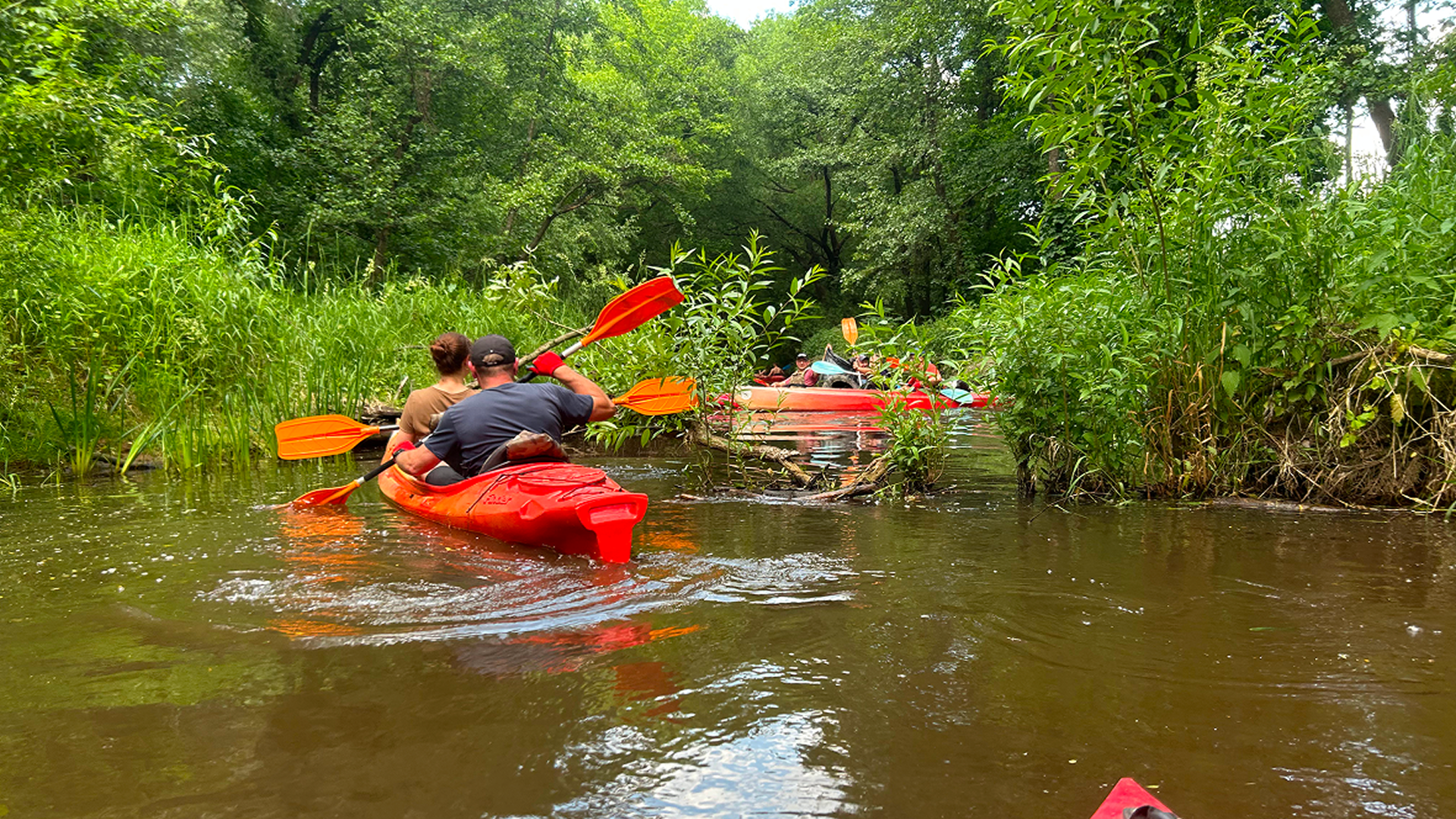
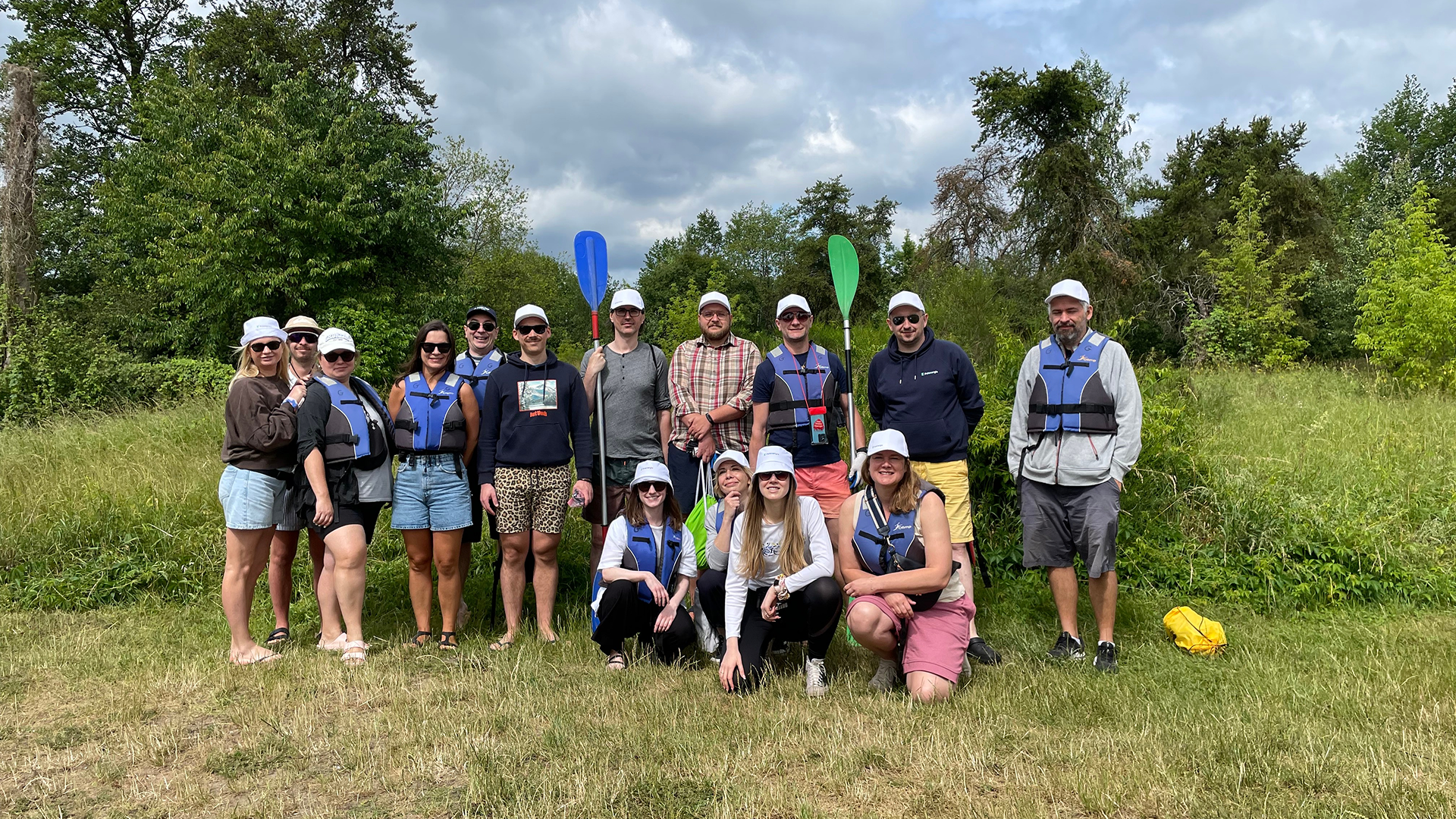
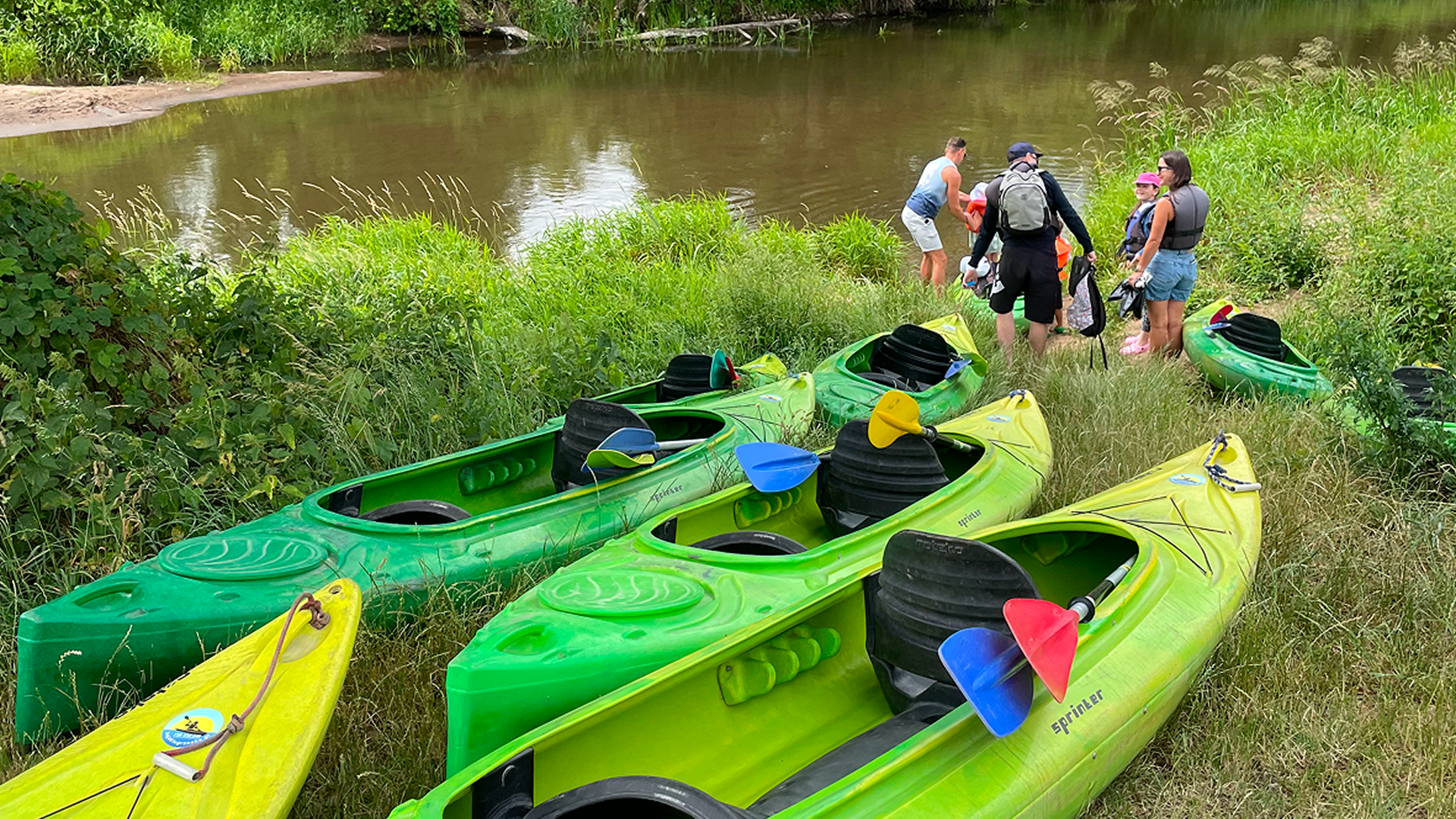
As part of the Polenergia Group’s employee volunteering programme WE HAVE THE POWER!, two events aimed at protecting rivers and aquatic ecosystems were organised in 2025.

The first Eco Kayak Clean-Up took place on 6 June 2025 on the Trzebośnica River near the Nowa Sarzyna Combined Heat and Power Plant, while the second event was held on 28 June 2025 on the scenic Liwiec River. Nearly 90 volunteers participated in both events, collecting approximately 240 kg of waste in total. The collected waste was handed over to appropriate entities for proper disposal.

These initiatives not only contributed to the protection of local rivers but also enabled participants to actively engage in pro-environmental actions.

The initiative is an excellent example of the implementation of the United Nations Sustainable Development Goal 14 – Life Below Water, which aims to protect oceans, seas and marine resources that are crucial for climate regulation and the preservation of global biodiversity.

Due to the strong interest in the events and their environmental value, the Eco Kayak Clean-Ups will be continued in future seasons. The Eco Kayak Clean-Ups are described in more detail on the Group’s ESG website: Together for cleaner rivers – Polenergia Group’s Eco-Rafting in the spirit of sustainable development

Biodiversity actions – Good practices

During the planning and implementation of its projects, the Polenergia Group places particular emphasis on environmental protection. Site selection is preceded by environmental analyses and pre-construction monitoring of birds and bats in the case of wind farm projects, as well as comprehensive environmental inventories for each project under development. The construction phase is subject to environmental supervision conducted by experienced naturalists with many years of professional expertise.

Environmental supervision also forms the basis for the development of locally tailored projects aimed at supporting and restoring local biodiversity, including meadow ecosystems. As a result, Polenergia Group projects are aligned with local environmental and natural conditions, supporting the development of native plant and animal species identified by environmental experts.

Mowing in the Przemków Landscape Park within the Szprotawa Photovoltaic Farm area

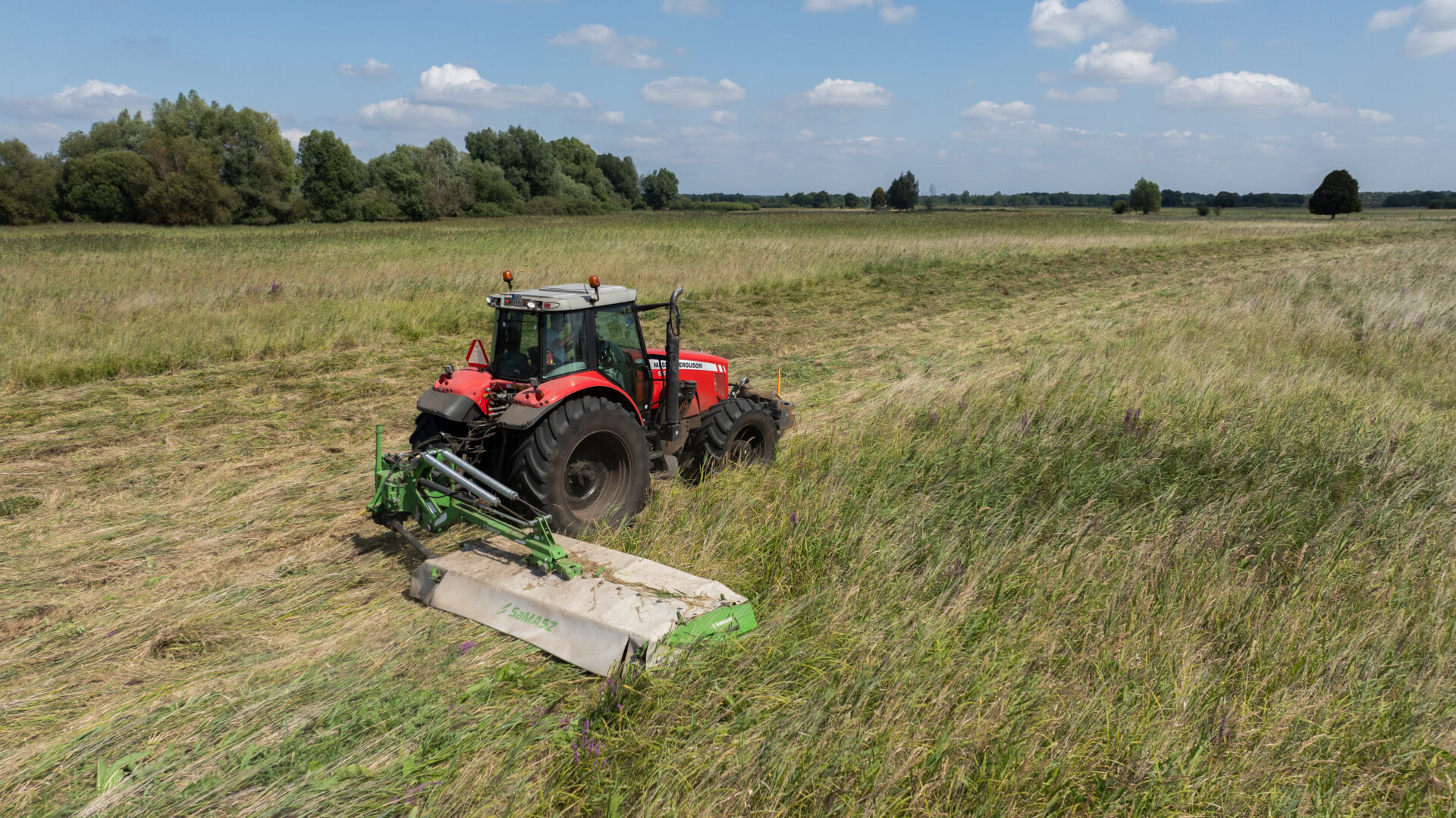
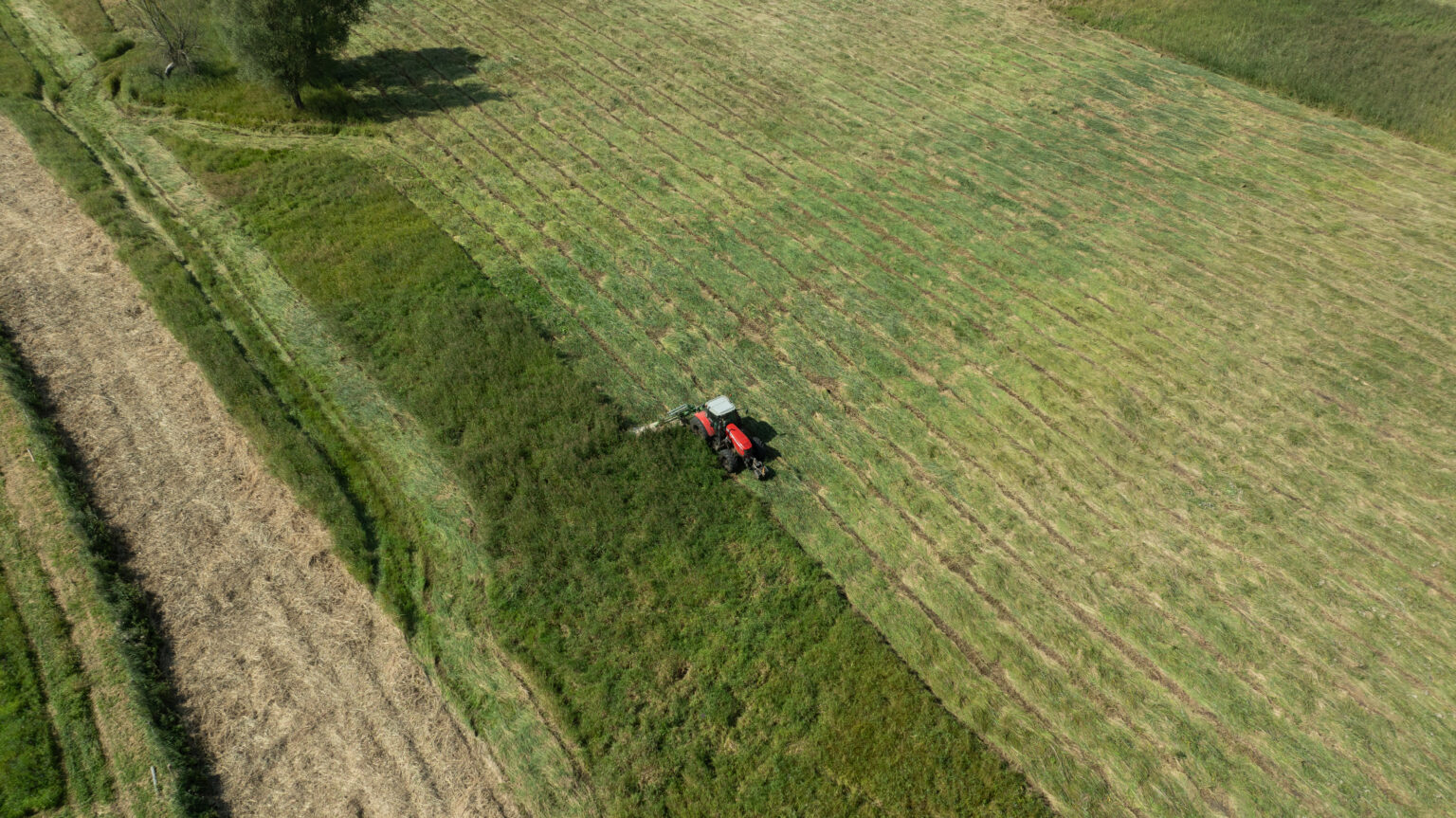
In line with good practice, the Polenergia Group conducts pre-investment monitoring and comprehensive environmental supervision during the construction of each project in order to minimise environmental impacts. As part of activities supporting the protection of biodiversity in the area of the Szprotawa Photovoltaic Farm, in August 2025 mowing was carried out across 30 hectares of meadows and reed beds within the Przemków Landscape Park.

The works were conducted within the ecological site known as “Przemkowskie Bagno”. The mowing was performed in summer as part of Polenergia’s local engagement, together with its partner TELE-FONIKA Kable, in connection with the commissioning of the new Szprotawa Photovoltaic Farm. The initiative was implemented in cooperation with the Lower Silesian Landscape Parks Complex and a local agricultural holding.

The objective of the mowing activities was to maintain the proper condition of habitats and to protect valuable species. Regular mowing prevents excessive shrub encroachment and the formation of uniform habitats. As a result, it helps preserve diverse meadow vegetation, which provides important breeding grounds for many bird species.

Wildflower meadow at the Szprotawa Photovoltaic Farm

In 2025, the area between the photovoltaic panels at the Szprotawa Photovoltaic Farm was sown with a meadow plant seed mix. The established wildflower meadow is intended to create favourable conditions for pollinating insects, enhance biodiversity, and naturally strengthen the ecosystem surrounding the photovoltaic installation over time.

Nesting boxes for birds at the Strzelino Photovoltaic Farm

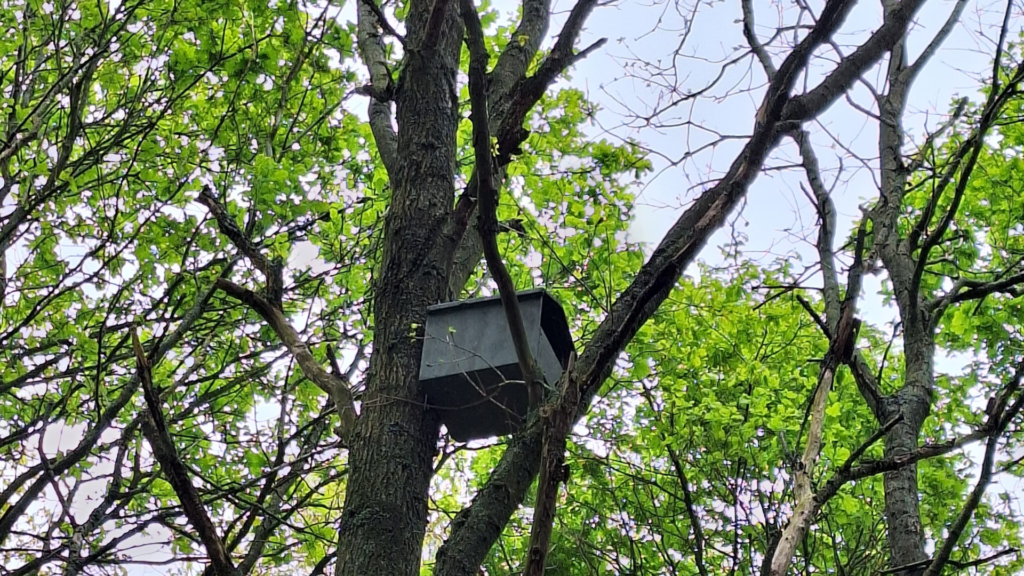
In the vicinity of the farm, ten bird shelters were installed for species identified during environmental supervision: four nesting baskets for long-eared owls, four nesting boxes for common kestrels, and two nesting boxes for barn owls. The nesting boxes were installed in 2024 near the Strzelino Photovoltaic Farm and will be serviced prior to the start of the 2026 breeding season.

Nesting sites for long-eared owls (Asio otus) and common kestrels (Falco tinnunculus) were located in forests surrounding the photovoltaic farm. These protected birds of prey play an important role in regulating populations of small rodents. By providing suitable nesting conditions, the Polenergia Group supports natural mechanisms for rodent population control, contributing positively to the complex forest–agricultural ecosystem.

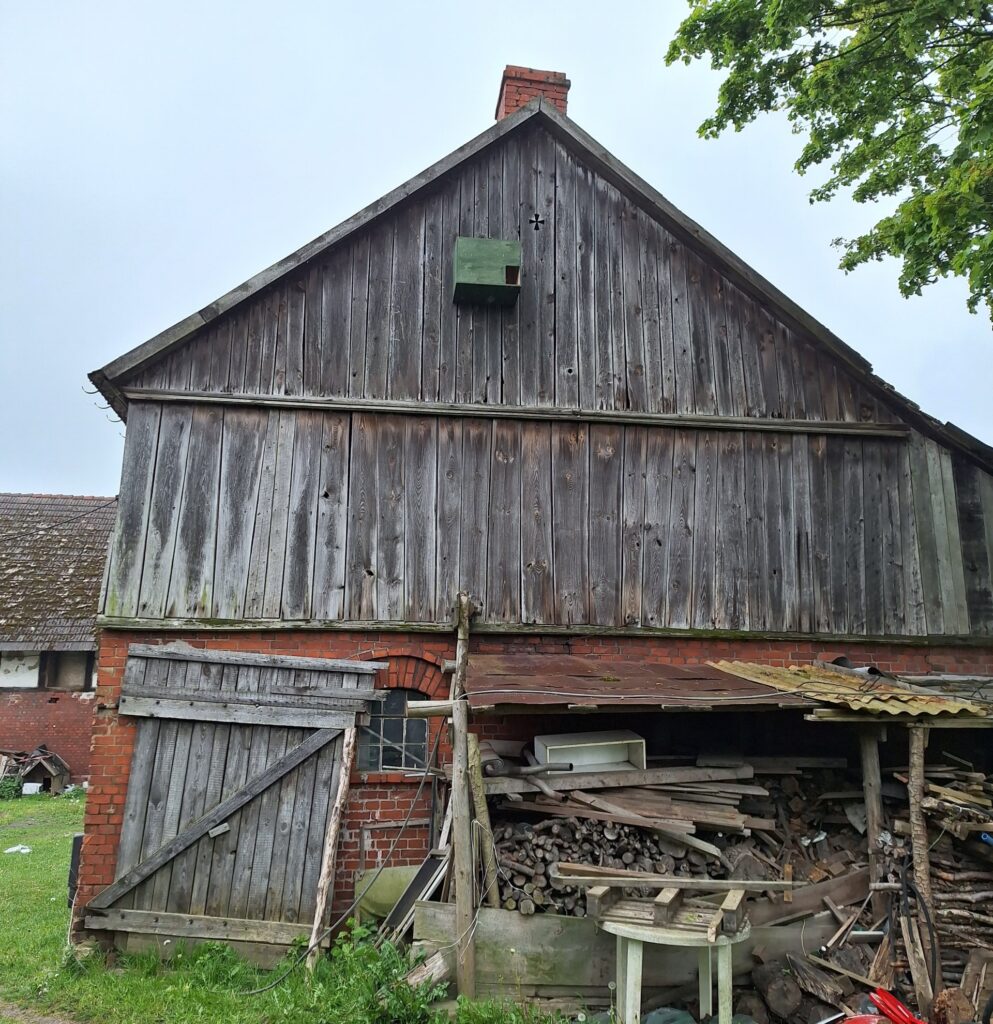
In addition, two nesting boxes for barn owls (Tyto alba) were installed on the façades of farm buildings in the Municipality of Redzikowo. Barn owls, like long-eared owls and kestrels, are valuable allies in controlling excessive rodent populations; however, they prefer nesting close to inhabited buildings. Providing nesting sites near agricultural and farm areas helps protect crops naturally and reduces the need for invasive plant protection measures. All installed nesting sites will be serviced prior to the breeding season by specialised contractors in order to increase the birds’ reproductive success.

Environmental measures during the construction phase of the Rajkowy Photovoltaic Farm

Prior to the commencement of construction works at the Rajkowy Photovoltaic Farm, a Coordination Meeting was held in August 2025. The meeting was attended by representatives of the Polenergia Group from the Environmental Protection and Sustainable Development, Health and Safety, Onshore Development and Construction, and Operations departments, as well as representatives of the Contract Engineer and the General Contractor.

Representatives of the Environmental Protection and Sustainable Development Department presented the requirements arising from applicable legal regulations, the environmental decision issued for the investment, and non-regulatory commitments, including requirements imposed by financial institutions, Polenergia Group partners, and the Group’s internal policies and strategies. These include the Sustainable Development Strategy 2023–2030, the Environmental and Social Policy, the Social Communication Plan, the Community Engagement Policy, the Complaints and Grievances Procedure, the Biodiversity Strategy, and the Code of Ethics.

An Environmental and Social Action Plan (ESAP) was also developed for the investment and attached as an annex to the agreement with the General Contractor.

In line with Polenergia Group’s good practice, environmental supervision is conducted at the construction site to protect nature and minimise the environmental impact of the investment. This supervision ensures compliance with applicable regulations, enables prompt responses to environmental risks, and identifies mitigation measures that can be implemented during the construction phase. Following the completion of supervision, the contractor provides recommendations for additional active conservation measures tailored to the specific site and its surroundings in order to enhance local biodiversity.

Additionally, the Rajkowy Photovoltaic Farm site was subject to a pre-construction environmental inventory from September 2024 to March 2025, allowing for a comprehensive assessment of the area’s biodiversity. This will enable a comparison of environmental conditions following the construction phase with the baseline impact assessment, taking into account the mitigation measures implemented during construction.

For the Rajkowy Photovoltaic Farm, the environmental supervision contractor is also preparing a Biodiversity Management Plan (BMP). This is a pilot project within the Polenergia Group and aims to define conservation measures while simultaneously enhancing biodiversity for the specific location and its surrounding area. The outcome of the BMP will be a detailed action plan, including technical guidelines, an implementation schedule, and success indicators for the long-term ecological sustainability of the implemented measures.

PV Sulechów – Publication and continuation of research

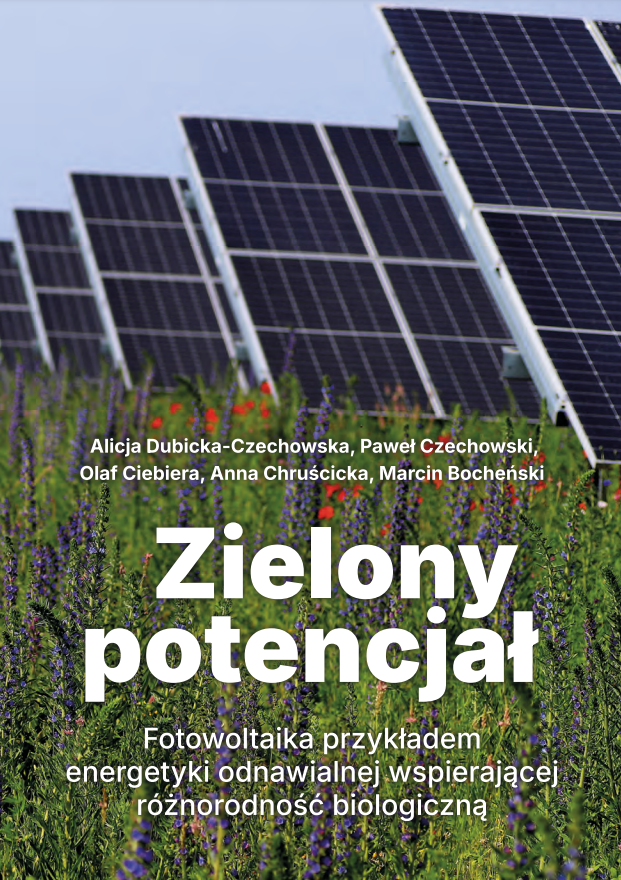
At the beginning of 2025, the Polenergia Group and the University of Zielona Góra jointly published a scientific study dedicated to the environmental impact of photovoltaic farms. The book, entitled “Green Potential: Photovoltaics as an Example of Renewable Energy Supporting Biodiversity”, is the result of research conducted by scientists from the University of Zielona Góra and the League for Nature Conservation at the Polenergia Photovoltaic Farm Complex in Sulechów.

The publication summarises studies of areas not covered by photovoltaic panels, where a 50-hectare pasture meadow with flowering species was established. The published research confirmed the presence of numerous protected plant and animal species, as well as the rapid development of ecological interdependencies between them. Such biodiversity growth is made possible by changes in project management implemented consistently and consciously over the years. It is also the result of the development and implementation of the Group’s policies and strategies, including the Biodiversity Strategy and the Environmental and Social Policy of the Polenergia Group.

In 2025, researchers from the University of Zielona Góra continued studies focused on bats and invertebrates. Ongoing field observations led to the identification of additional bee species previously unrecorded in the area, as well as new nests, indicating the continued development of local biodiversity.

The insect hotel located at the photovoltaic farm also attracted new occupants. Initially inhabited exclusively by the red mason bee (Osmia bicornis), from 2025 onwards it has also been extensively colonised by the sculptured resin bee (Heriades truncorum) and individuals of the cuckoo bee Stelis breviuscula.

Further research is planned for 2026 in order to continue exploring and monitoring the biological diversity of the Sulechów Photovoltaic Farm Complex.

Puck Wind Farm – Establishment of a fresh meadow

At the end of 2023, the Polenergia Group became the owner of a 6.75-hectare agricultural plot located in the rural area of the Puck Municipality. A decision issued on behalf of the Director General of the National Support Centre for Agriculture imposed an obligation to maintain the land’s existing agricultural character.

Previously, the plot had been used for cereal cultivation. In order to enhance local biodiversity, the Group consulted representatives of organisations promoting sustainable and regenerative agriculture, including European Carbon Farmers, as well as scientists from the Faculty of Biology at the University of Gdańsk, to assess potential land management options.

In April 2025, a selectively composed mix of plant species was sown to establish a fresh meadow covering 6.75 hectares within the Puck Wind Farm area. The seed mix included species occurring naturally in the Gdańsk Pomerania region—native and permanently established species. This selection, together with spontaneously emerging meadow species, aims to partially restore vegetation typical of the region.

Ultimately, the meadow is intended to correspond to the natural habitat type coded 6510 – Lowland and mountain hay meadows (Arrhenatherion elatioris), thereby creating and maintaining a habitat that has already disappeared in many parts of Europe. This initiative will positively contribute to the preservation of local plant species diversity.

The sowing was preceded by necessary agrotechnical works to prepare the soil and remove post-harvest residues from previous cultivation. Subsequently, in accordance with an expert opinion prepared by the University of Gdańsk, the area was mown twice.

Protection of the Meadow Harrier – Summary of the 2025 season

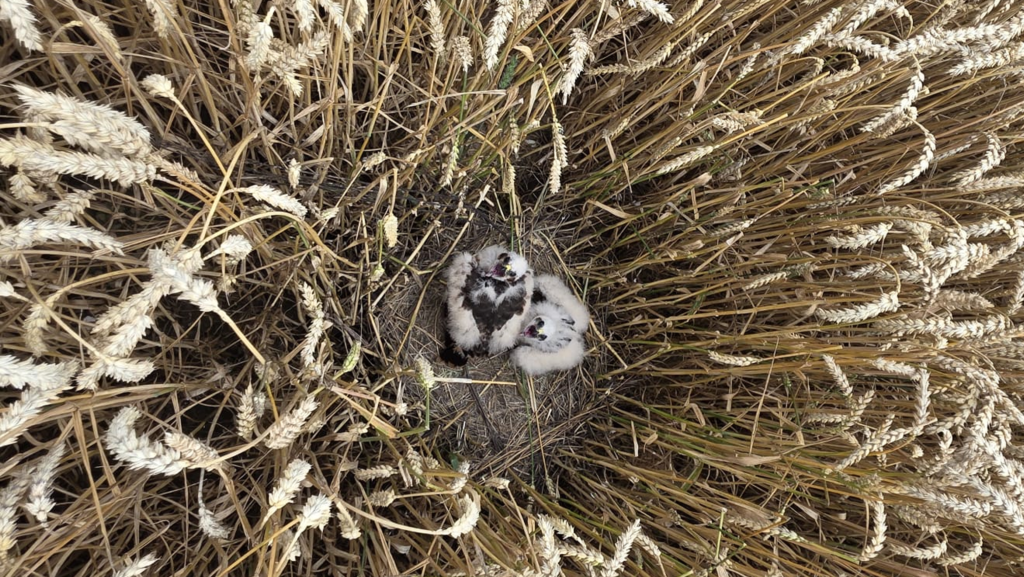
The 2025 season of the Meadow Harrier Active Protection Programme, implemented by Polenergia’s Environmental Protection and Sustainable Development Department since 2014, delivered further successes in protecting this exceptional bird of prey species.

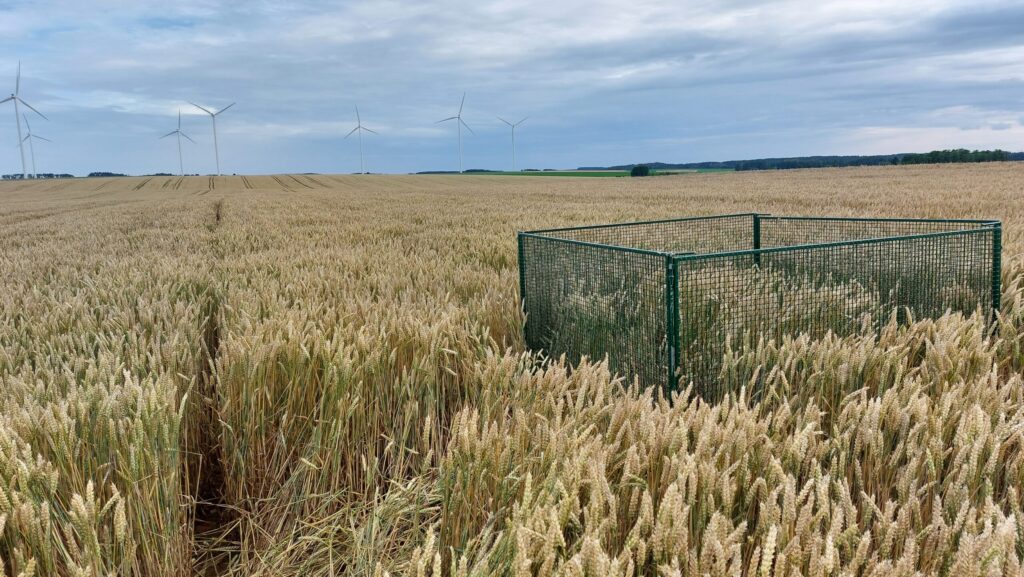
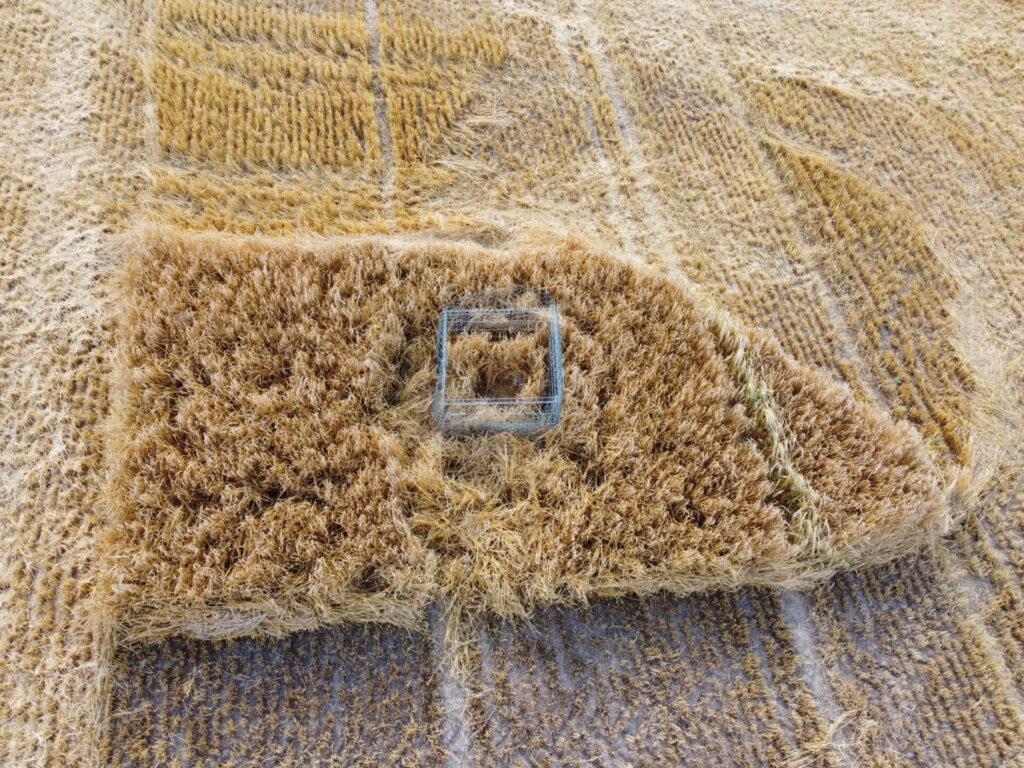
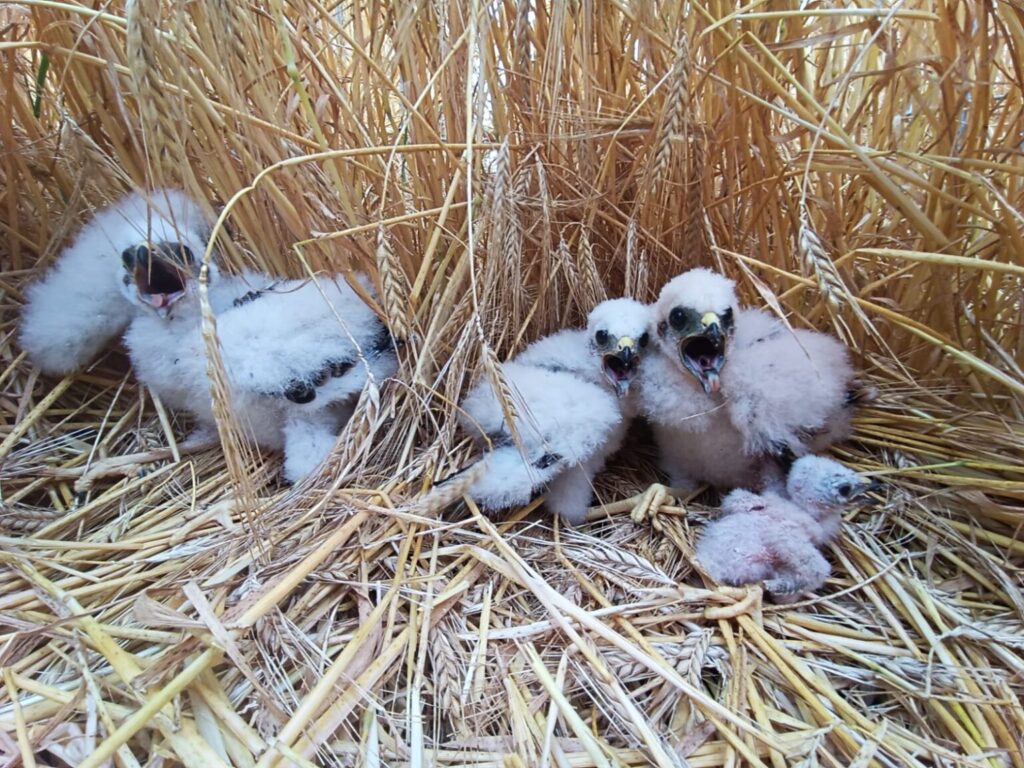
In the vicinity of the Łukaszów, Modlikowice, Grabowo, Dębsk and Kostomłoty Wind Farms, ornithologists identified 11 Meadow Harrier nests located in arable fields and meadows, 6 of which were secured against predators and agricultural machinery. These measures resulted in the ringing of 11 chicks, enabling further monitoring of their migration routes and survival.

Additionally, feedback was obtained from rings of three harriers marked in previous years. A male ringed in 2023 at the Modlikowice Wind Farm returned to the same breeding territory. An individual ringed in 2018 was recorded as a breeding bird in Germany, approximately 500 km from its hatching site, while a male ringed in 2019 was observed 170 km away, in the Greater Poland Voivodeship.

These observations confirm the effectiveness of the conservation measures implemented and indicate the programme’s positive impact on the species’ population.

As part of educational efforts, two films are planned: one focusing on the life of the Meadow Harrier and the other on the life of the stork. Their aim is to introduce children, adults and senior citizens to the world of these species, highlighting their daily behaviours, challenges and the importance of environmental protection.

The films will support the development of environmental awareness, strengthen understanding of the role individual species play within ecosystems, and inspire actions that promote biodiversity conservation.

Implemented for 11 years, the programme focuses on preventing biodiversity loss in agricultural areas and, above all, provides active protection for this unique species. Regular ornithological monitoring enables the identification of nests and their protection against predators such as foxes and martens, as well as against agricultural machinery, which poses a serious threat to bird families.

The installation of mesh fencing, carried out in cooperation with landowners, effectively safeguards nests and provides young birds with safe conditions for development.

Meadow Harriers are among the smaller birds of prey in Europe and, like short-eared owls, nest in cereal fields or other tall crops. These birds play an important role in ecosystems by contributing to the natural regulation of rodent populations.

Rodents, which can pose a threat to agricultural crops when present in excessive numbers, constitute a primary component of the diet of these predators. As a result, harriers and owls support ecological balance, benefiting both natural ecosystems and agricultural production.

The Meadow Harrier Active Protection Programme aligns with the United Nations Sustainable Development Goal 15 – Life on Land, which focuses on protecting terrestrial ecosystems and preventing biodiversity loss. The programme is also the result of effective cooperation between Polenergia, ornithologists, farmers and environmental organisations. Through joint efforts, it is possible to implement effective conservation actions for key species, delivering tangible benefits for the preservation of valuable ecosystems. The successes achieved during the 2025 season provide a solid foundation for the continuation and further development of the programme in the years to come.

More detailed information can be found on the website: Meadow Harrier Conservation. Summary of the 2025 season. – ESG Service

Quantitative summary of the Meadow Harrier Active Protection Programme in 2025
Nests identified Nests secured with protective fencing Chcicks ringed
Modlikowice and Łukaszów Wind Farm Area 5 2 11
Kostomłoty Wind Farm Area 6 4 9
Dębsk Wind Farm Area 7 0 0
Grabowo Wind Farm Area 1 1 0
Total 19 7 20

In the Dębsk Wind Farm area, the nests were not secured with protective fencing, as agricultural activities during the harvest period were delayed due to rainfall and therefore did not pose a threat to the nests. As a result, no additional protective measures were required.

Since the launch of the Meadow Harrier Protection Programme in 2014, a total of 169 chicks have been secured. As part of the programme, nests have been protected with fencing, chicks have been ringed, and other individually tailored conservation measures have been implemented.

Search results

Szanowny użytkowniku, w zgodzie z założeniami RODO potrzebujemy Twojej zgody na przetwarzanie danych osobowych w tym zawartych w plikach cookies. Dowiedz się więcej.

The cookie settings on this website are set to "allow cookies" to give you the best browsing experience possible. If you continue to use this website without changing your cookie settings or you click "Accept" below then you are consenting to this.

Close